Start with remaining shelf life, not freight rate
The right question is not what freight costs, but how many days of saleable life the product has left when it reaches the buyer's cold store. Onion, potato and pomegranate hold long enough for a reefer voyage. Green chilli, lime, soft fruit and leafy lines rarely do once you add packhouse time, port dwell and clearance.
Work backwards from the shelf date on the carton. If sea transit consumes more than roughly half of total life, the consignment arrives with nothing left to trade.
Where sea wins
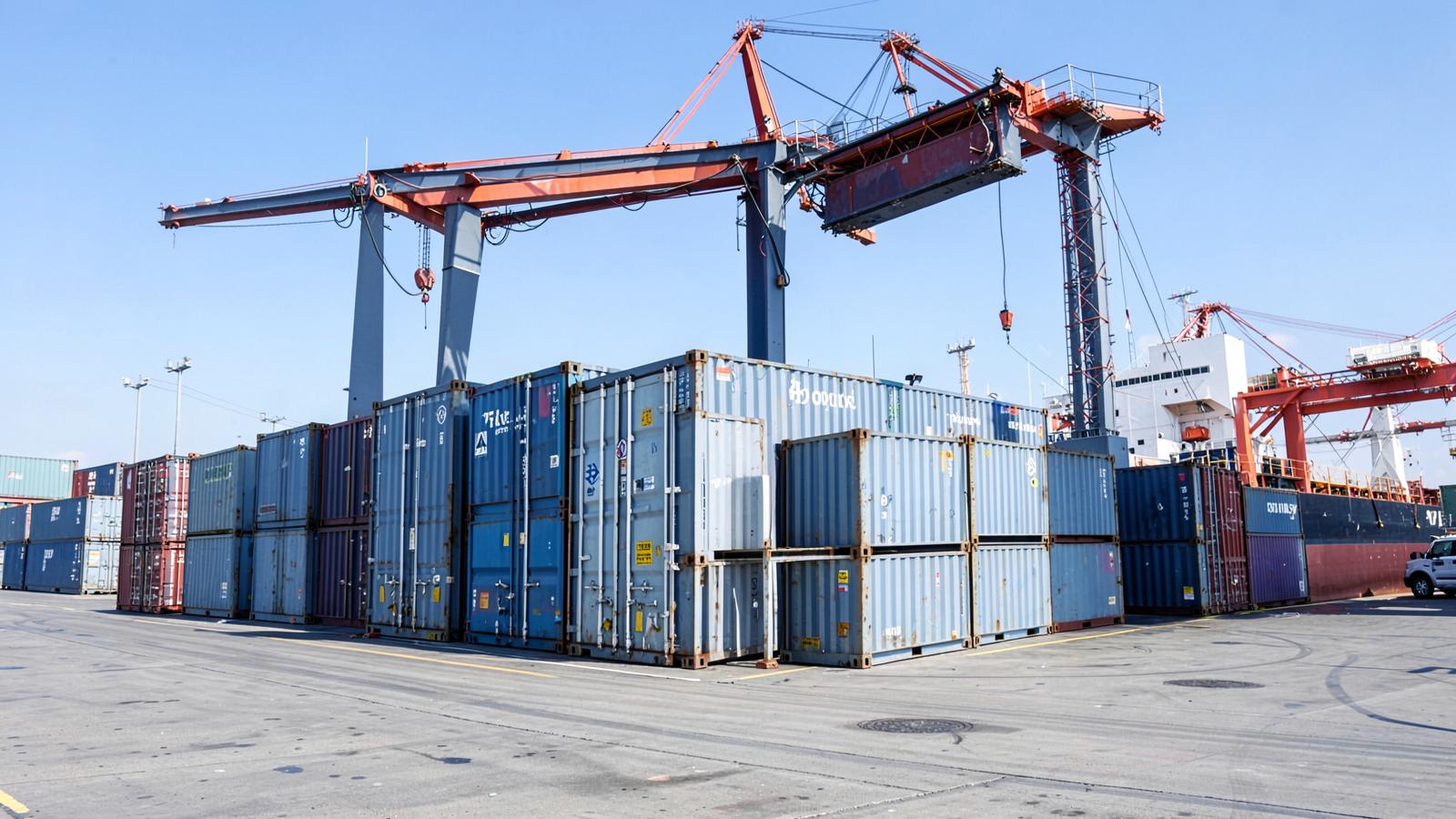
Reefer sea freight is the default for robust, price-sensitive volume. A 40ft reefer with temperature and ventilation set correctly moves twenty to twenty-six tonnes at a landed cost per kilo that air cannot approach.
Smaller trial orders can go LCL, though consolidation adds handling days that should be counted against shelf life like any other transit time.
Where air earns its cost
Air makes sense for short-window and premium lines, and for market gaps where a price spike more than covers the freight differential. Cool-chain handling from packhouse to airport build-up matters more than the flight itself — most quality loss on air cargo happens on the tarmac, not in the air.
We plan air out of the nearest origin gateway rather than trucking long distances to a cheaper airport; the saved freight rarely covers the lost days.
Planning a programme on this line?
Send us the product, specification and destination and our trade desk will come back with origin options and pricing.